Saudi Arabia’s strategic expansion in oil refining has emerged as a pivotal factor in sustaining its oil revenues amid declining crude prices.Reuters
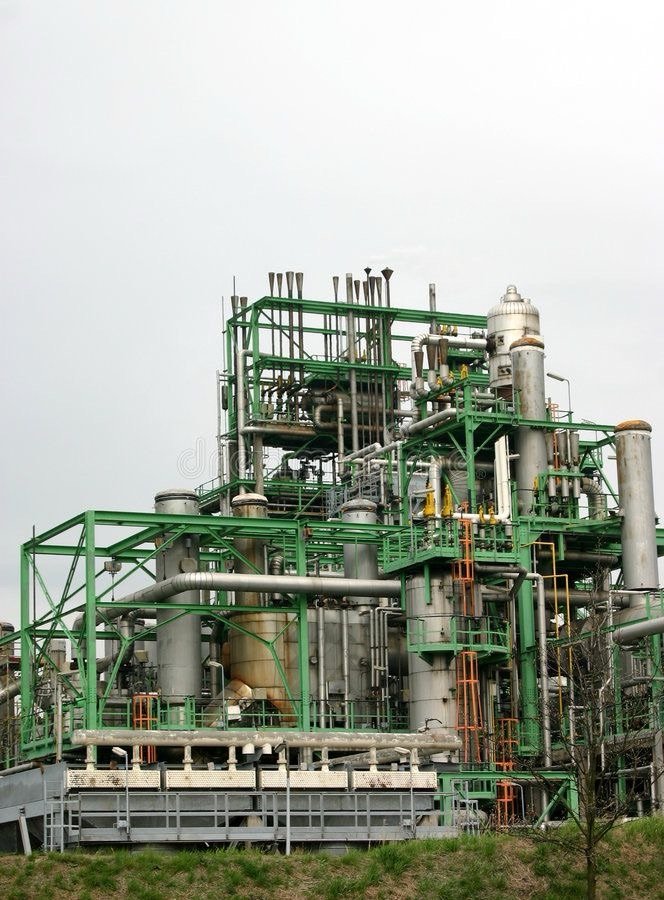
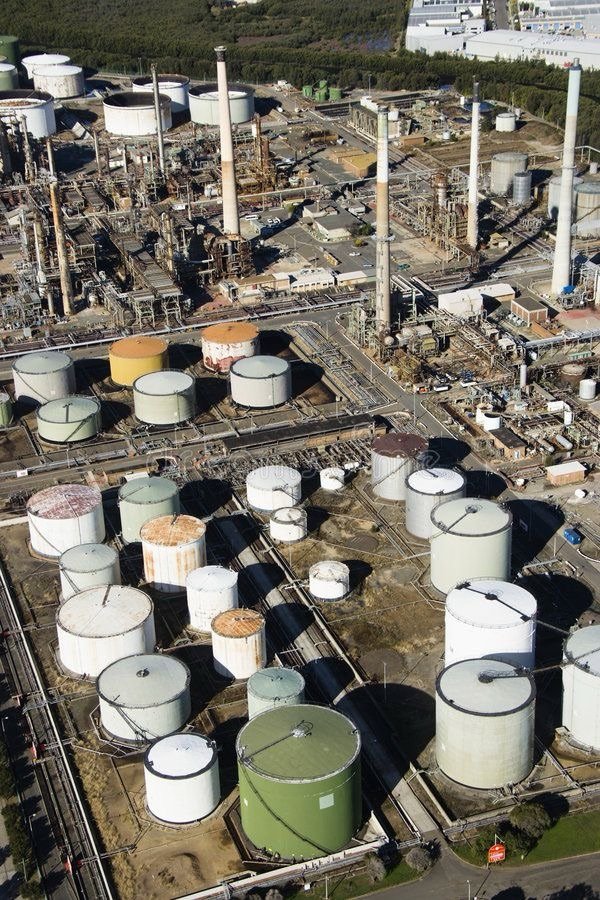
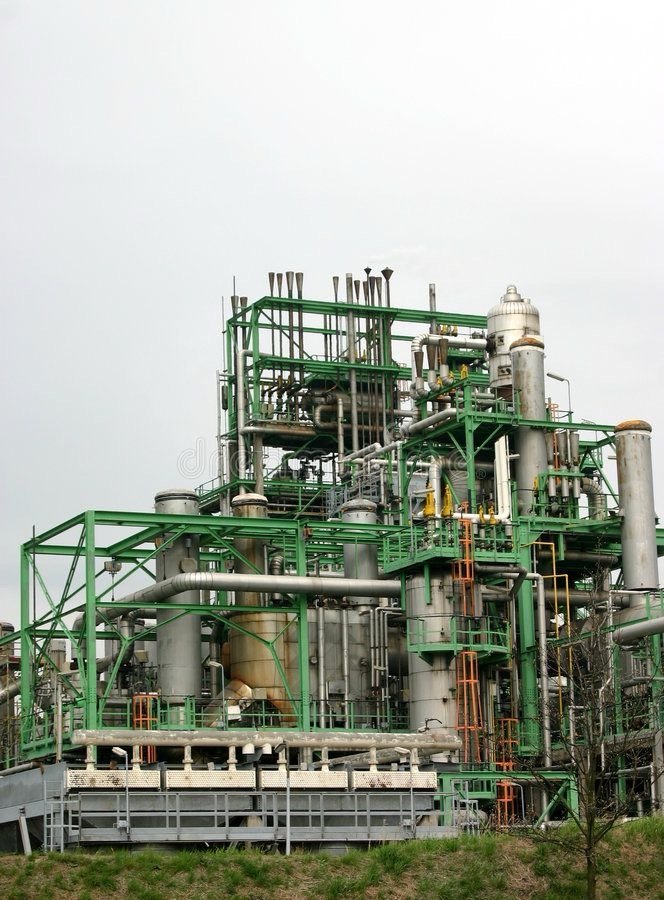
In March 2025, the kingdom’s nine domestic refineries processed a near-record 2.94 million barrels per day (bpd), marking a 12% increase from the previous month and 23% above the 10-year average for March. This surge in refining activity coincided with a 12% month-on-month drop in crude exports to 5.75 million bpd, underscoring Saudi Arabia’s flexibility in redirecting crude from exports to domestic processing.
Internationally, Saudi Arabia operates an additional 4.3 million bpd of refining capacity through joint ventures in countries like China, the United States, and Malaysia. This global footprint enables the kingdom to export refined products, which reached a record 1.58 million bpd in March.
This integrated approach allows Saudi Aramco (Tadawul: 2222) to mitigate the impact of crude price volatility. Refining margins have remained robust, with benchmark Singapore margins near $8 per barrel, benefiting from lower feedstock costs and steady demand for products like diesel.
The kingdom’s strategy also includes significant investments in petrochemicals. Aramco and China’s Sinopec plan to expand their Yasref joint venture by adding a mixed-feed steam cracker and an aromatics complex, aligning with Aramco’s goal to convert up to 4 million bpd of crude into petrochemicals by 2030.Reuters
Despite a 12% drop in Aramco’s profits to $106.25 billion in 2024 due to lower energy prices, the company maintains substantial dividend payouts, crucial for funding Saudi Arabia’s ambitious projects like the $500 billion NEOM city and preparations for the 2034 FIFA World Cup. APNews
This refining-centric approach not only stabilizes the kingdom’s oil income but also supports its broader economic diversification goals under Vision 2030. By enhancing downstream capabilities, Saudi Arabia positions itself to better withstand market fluctuations and reduce its reliance on crude exports.