In a decisive step toward reshaping global oil supply strategy, the Organization of the Petroleum Exporting Countries and its allies (OPEC+) will begin discussions this week to define new production baselines for the year 2027. This move is poised to reshape how output levels are allocated across member nations and is expected to carry significant implications for global energy markets.
At the heart of the talks is a growing divide: countries like the United Arab Emirates and Iraq are pushing for higher quotas that reflect their increasing production capacity, while others, particularly some African producers, are grappling with declining output and seek recognition for operational challenges (Reuters).
Alongside the baseline discussions, OPEC+ is also preparing for a phased output increase. A group of eight members that had previously committed to voluntary output cuts are expected to raise production by 411,000 barrels per day in July 2025. This will mark a further step in the group’s plan to unwind the extensive cuts that were initiated in response to the 2020 demand collapse during the height of the COVID-19 pandemic (OilPrice.com).
Strategic Realignment for a New Energy Era
Since 2020, OPEC+ has implemented a tiered production cut strategy to stabilize the market. It began with historically deep cuts during the crisis, followed by cautious, data-driven increases. The planned July rise in production is the third and final stage of this approach, reflecting a stronger demand outlook and improved compliance across member nations.
The 2027 baseline reset goes beyond simple numbers—it represents a shift in how the alliance recognizes investment, infrastructure, and resource potential. Nations with newer fields and upgraded capabilities want quotas that reflect their ability to deliver, while others seek flexibility to recover from internal challenges.
Market Watching for Signals
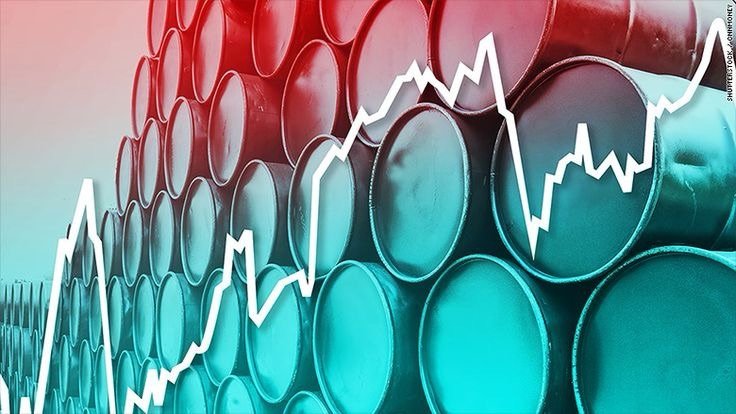
Oil markets have been particularly sensitive in 2025. Both Brent crude and West Texas Intermediate prices experienced declines in April before a recovery in May, driven by renewed confidence in demand and signals from OPEC+. The market’s reaction to these upcoming meetings will be pivotal in setting the tone for the rest of the year.
A larger-than-expected production hike or revised baseline quotas for major producers could be seen as bearish for prices. On the other hand, a conservative output strategy may bolster prices, offering reassurance of OPEC+’s continued market stewardship.