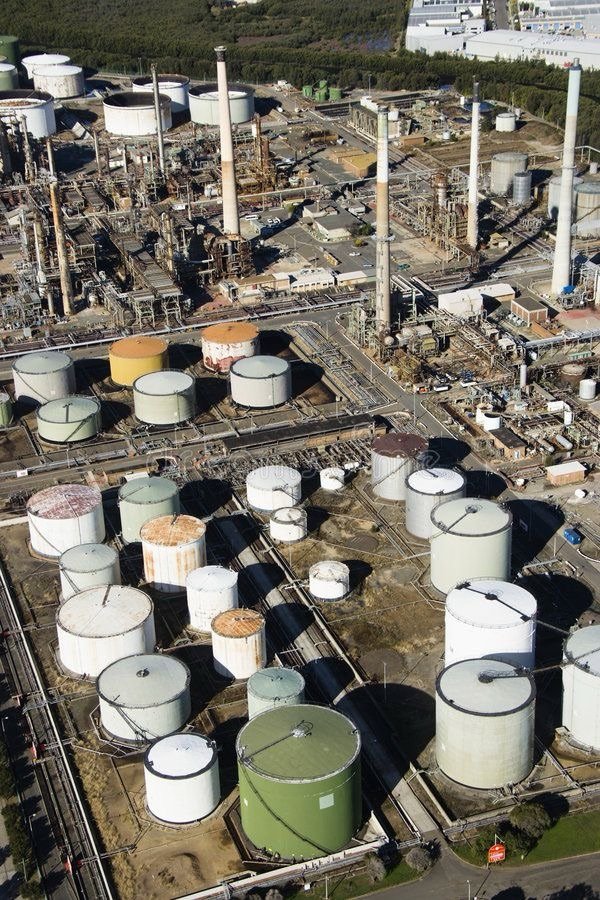
A Russian supertanker loaded with crude oil has been anchored off the coast of China for weeks, raising new questions about the strength of global oil demand—especially from key importers like China—and the effectiveness of sanctions aimed at limiting Moscow’s energy exports.
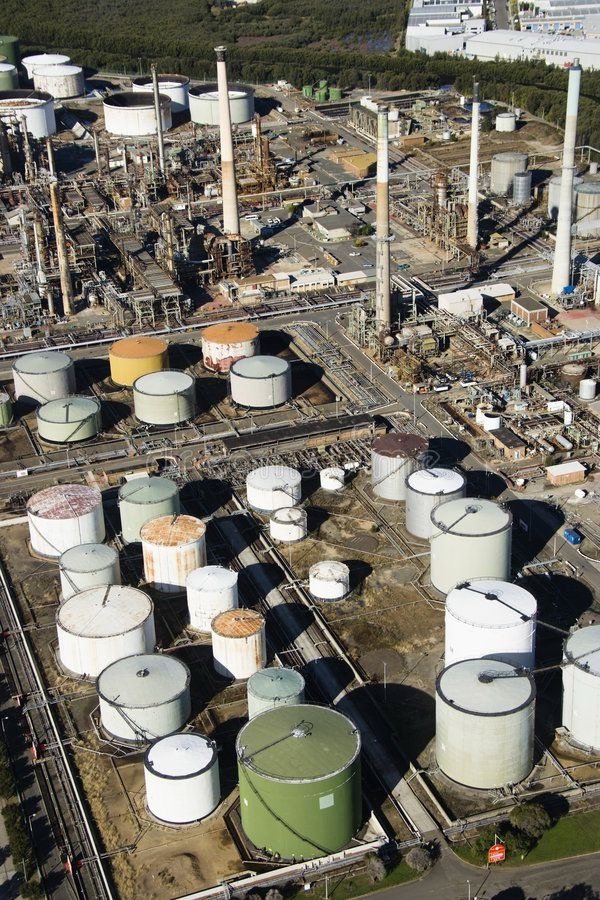
According to OilPrice.com, the vessel is part of Russia’s expanding “shadow fleet”—a loosely tracked network of aging tankers operating under obscure ownership and insurance structures. This fleet emerged in response to Western sanctions and price caps placed on Russian oil following the country’s 2022 invasion of Ukraine.
Ships in this fleet are often used to deliver discounted Russian crude to countries such as China and India, who have become major buyers of Russian oil amid global sanctions. However, the fact that the vessel remains stationary suggests that demand may be softening. The situation may point to saturated inventories, slower refinery activity, or changing procurement strategies among Chinese buyers.
The “shadow fleet” has raised considerable concerns within the global maritime and energy sectors. Many of these tankers are older, often lacking proper maintenance and insurance, and present higher risks of environmental accidents. Their involvement in ship-to-ship transfers and other evasive tactics has drawn scrutiny from maritime watchdogs and regulators worldwide.
Adding to the complexity is the challenge of enforcing sanctions. Under the G7 oil price cap mechanism, countries using Western insurance or shipping services are barred from transporting Russian oil sold above $60 per barrel. However, with opaque pricing structures and alternative financing mechanisms in place, enforcement remains difficult—especially when transactions are settled outside the U.S. dollar system.
This idle supertanker off China’s coast has become a symbol of the new normal in the global oil trade: one shaped by sanctions, workarounds, market uncertainty, and fluctuating demand patterns. As analysts monitor developments closely, it’s a reminder of the fragile balance that now defines the international energy market.